There’s the hard part, I’d expect that to vary with temperature, humidity, etc. Realistically, you need some kind of escapement.
I love the fact that people are discussing the practicalities of making this work. Just joyful.
3 Likes
I’ve thought about a falling weight tt drive for some time (actually since people on PFM were posting plots showing the pulsed output of most types of electric motor being measurable in the platter rotation).
My thoughts have been more about some kind of rack with a a weight falling perhaps 2 Meters over say 30 minutes turning a shaft which in turn would drive, via some kind of gearing, a platter around. You’d need to reset it after each side of a record but it’d be a sacrifice most idiots would make for that smoother pull. Plenty of scope to adjust friction too.
Either that, or clockwork is the answer. I have a couple of old clockwork Thorens turntable motors but sadly they are set & geared to rotate at 78 rpm.Would need an expert watch repairer to modify for 33.33 use. 
1 Like
Surely unless you match the foibles of the motor that turned the cutting lathe all you’re doing is swapping one set of errors for another? Or that motor is ‘good enough’ so we want an equivalent motor on the playback device?
Just connect it to @edd9000 gearbox TT.
You could have a motor to reset it at the push of a button. I do think you have to account for bearing friction (as they warm up with temperature) hence escapement or some kind of servo system with a long TC to maintain reasonable speed accuracy.
Could probably do it with an arduino or something.
1 Like
That’s very true. It did seem from the polar plots being produced, that different test records did have different characteristics and that some decks were already capable of revealing the limitations of particular test records or rather the lathes that cut them.
All the half decent turntables were showing up the pattern from the Neumann/technics lathe. I did some of those plots on the thread. The fluctuations were minute however, completely swamped by a hole being off centre a little bit. Not sure what we are more sensitive to though.
1 Like
Little-known fact: this is how Steepletone got their name 
9 Likes


Finally got around to completing the long drawn out comprehensive overhaul of components in one of the Sansui AU-111 integrated amps…
Big n Easy sounding amplifier sporting wide bandwidth Hashimoto OPT’s and Main…


18 Likes
A couple of YouTubes ( not mine) the onboard phono stage none too shabby
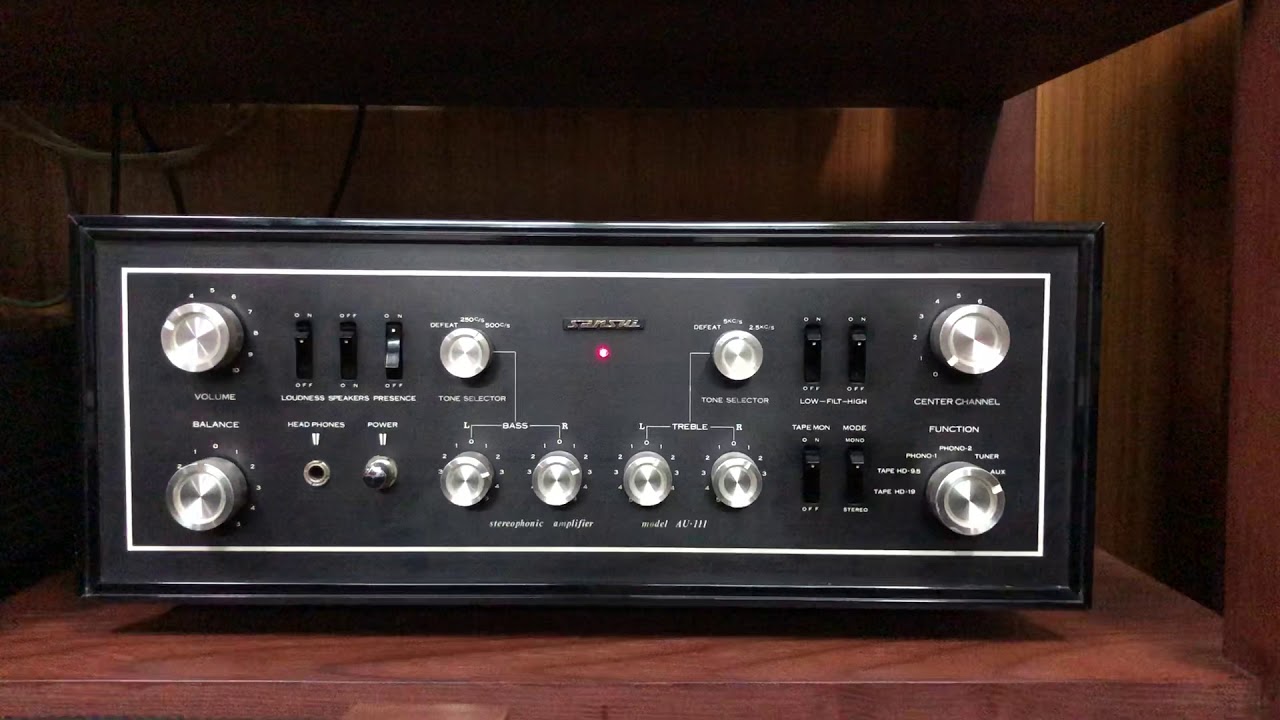
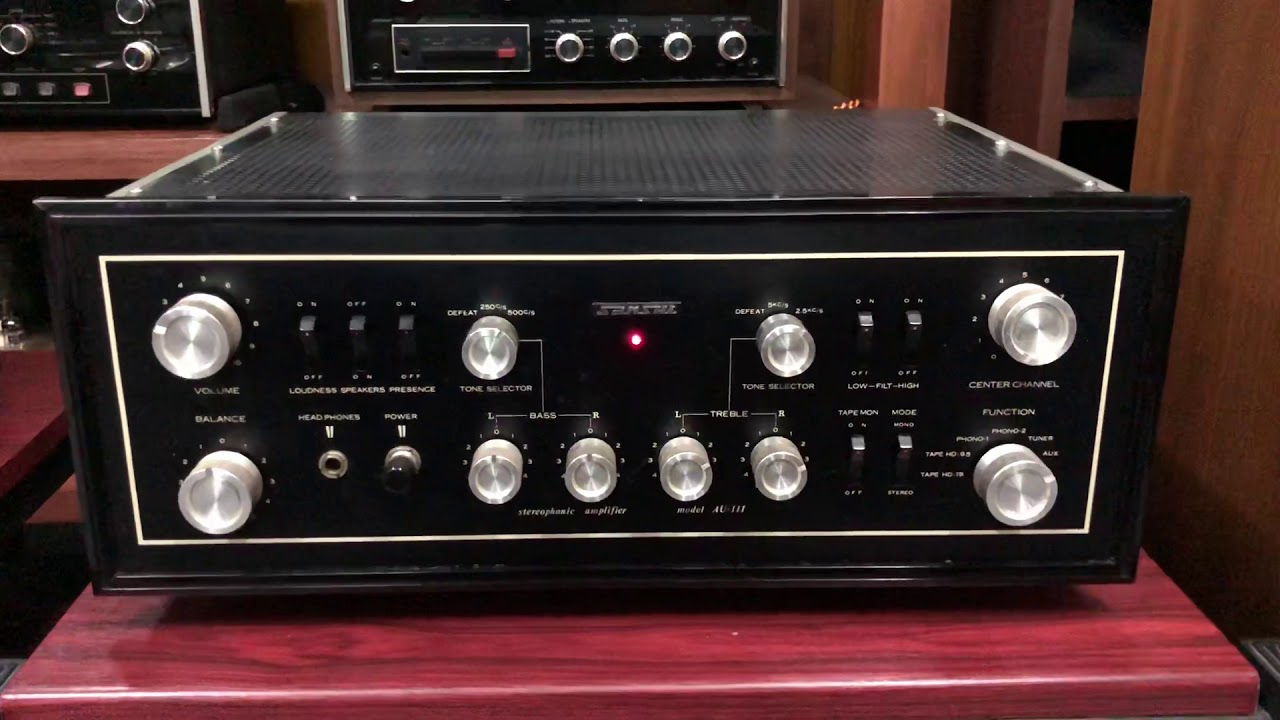
3 Likes
The AU-111 has been on soak test for a good few hours now and so its time to bring out the Big Gun valvage …
The schematic and setup for the original retail amplifier utilised:
5 x 12AX7’s
2 x 12BH7A’s
1 x 6AQ8
4 x 6L6GC’s
As such the amplifier is a valve rollers Delight/Black hole…
My current fav recipe :
5 x Mullard M8137 box plate
2 x Tung Sol Long black plate BH7A’s circa mid 1950’s
1 x Lorenz(Stuttgart) ECC85 long plate Large horseshoe getter n silvered 3 mica plate circa 1950’s
4 x Phillips 7581A’s circa early 1970’s


8 Likes
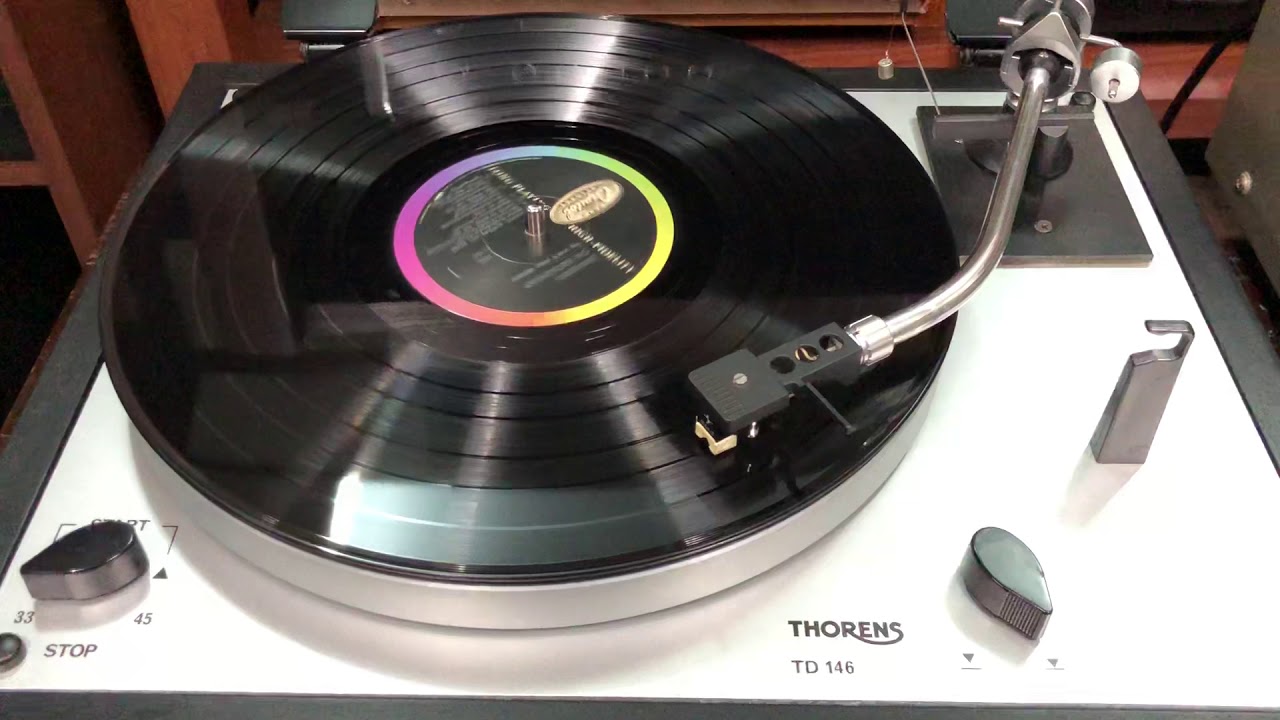
The on-board phono stage is a non too shabby MM however after a ferret round in the loft I turned up my pair of Sansui branded but Hashimoto wound A603 MC adapters…now if I ever get my TT’s out of storage 

6 Likes
Clement
5 Likes
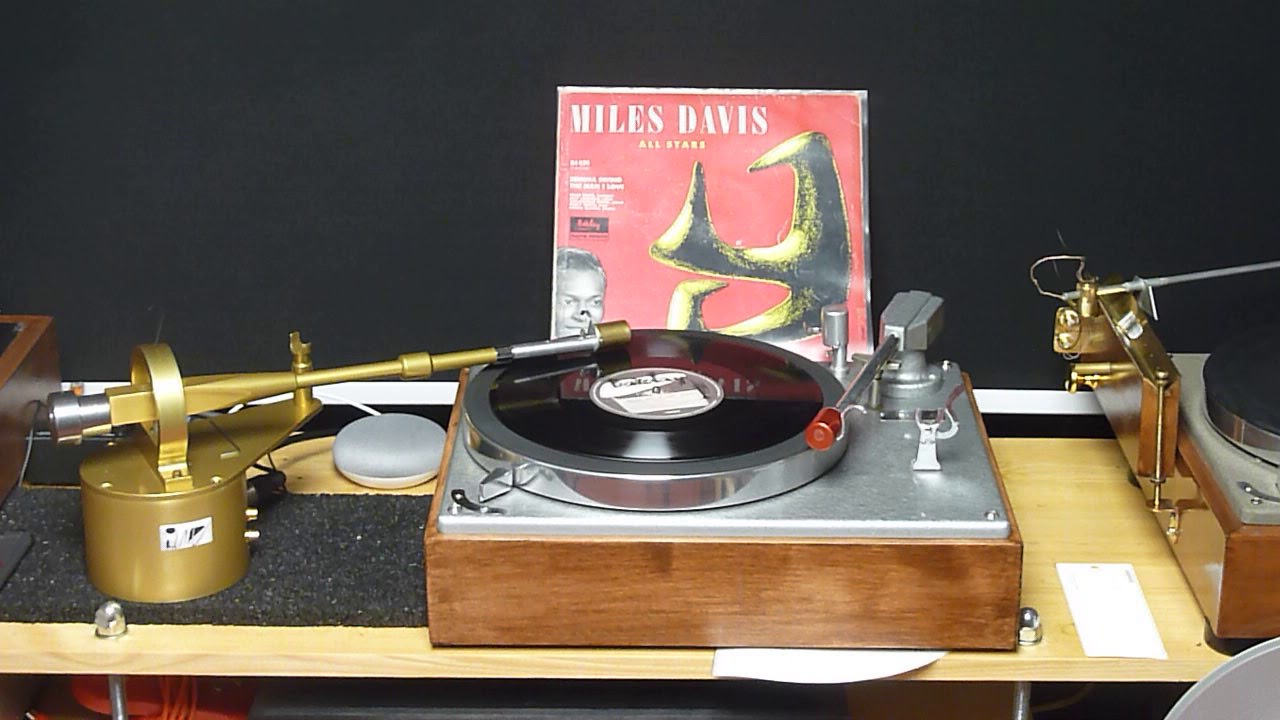
arm looks a bit short for plinky plonky music…

1 Like
Still want one of these
2 Likes
Love it.
Different model for sale here:
1 Like
Lovely £1,250 over my budget unfortunately
1 Like